Hotel Spa Design: Planning Treatment Rooms That Make Money
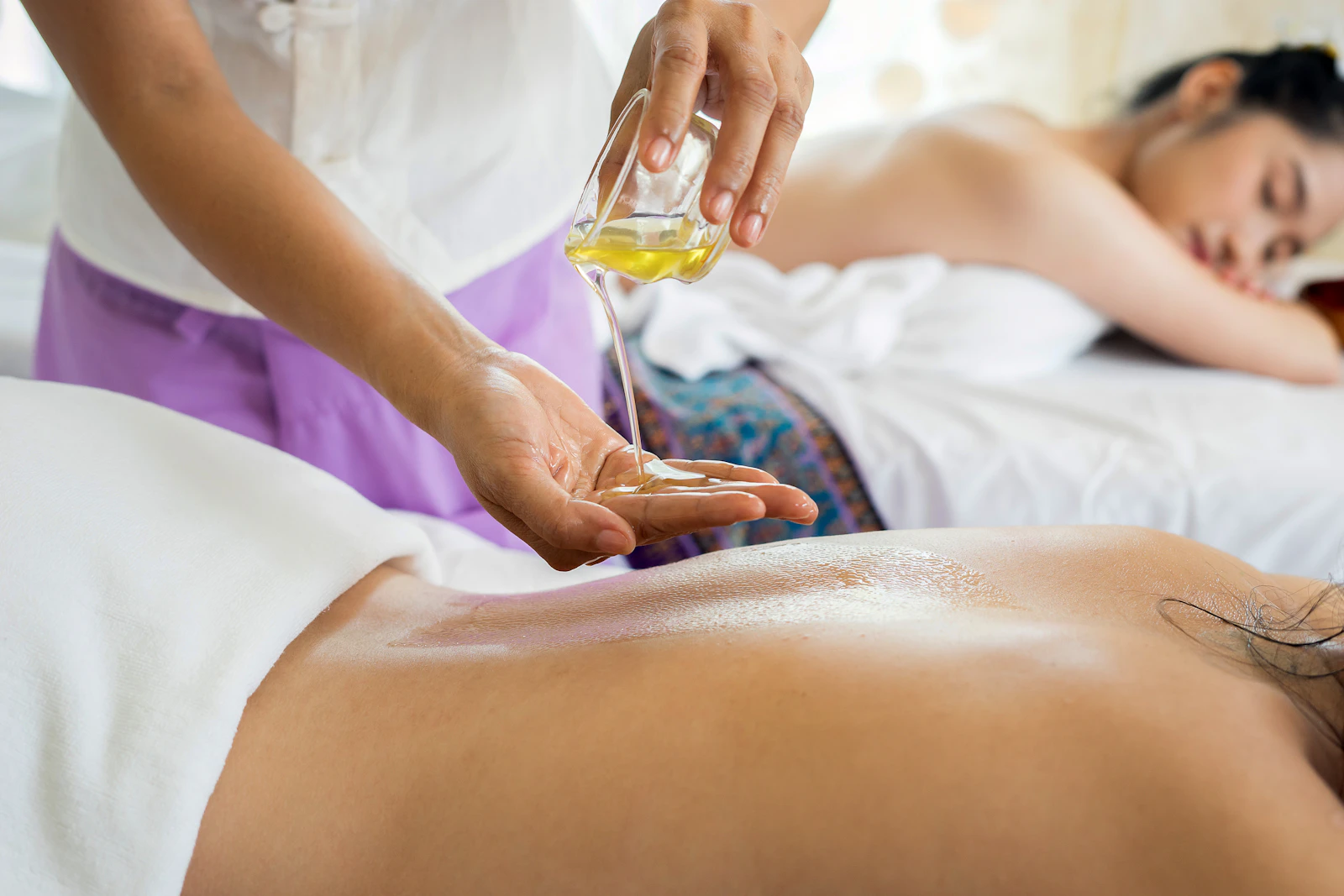
Most conversations about spa design begin with finishes: the stone, the lighting, the mood board. Those matter, but they are the last thing that decides whether a hotel spa earns money. Spa design that makes money starts earlier, with a plainer question: how many treatment hours can this layout sell in a day, and what stops it selling them? A treatment room is the only product a spa has, and an hour it cannot sell is gone for good. Good spa room design therefore treats every wall, door and corridor as either helping a therapist deliver another treatment or getting in the way.
Start with the number of rooms, because every later decision follows from it. Work from demand, not from the space the architect has available. Take an example: a 120-room hotel at 65% occupancy has about 78 rooms occupied a night, and at roughly 1.4 guests a room that is about 109 guests. If 12% of them book a treatment, that is 13 spa guests a day. Add 7 local guests a day and you have 20 treatments. Assume each takes 75 minutes with 15 minutes to clean and reset, so 1.5 room-hours each, or 30 room-hours of demand. If the spa is open 10 hours and you plan for rooms to be sold half the time, each room sells 5 hours a day, which points to 6 rooms. These are example figures, but the method is the point. It ties the room count to guests you can defend, and it shows what happens when capture or local demand is lower than hoped.
Then check the peaks. Demand is never spread evenly: afternoons, evenings and weekends fill first, and a spa sized for the daily average will turn guests away at exactly the hours they most want to book. The answer is not simply more rooms, which would sit idle at 11 a.m. A better answer is flexibility: a couple's room that can also be used as a single when needed, and a layout that lets you add one or two rooms later without rebuilding the entrance, the changing rooms or the laundry. We would rather open with a spa that is slightly full and can grow than with one that is slightly large and stays quiet.
Room size is the next trade-off. A treatment room needs space for the bed, for the therapist to move freely around it, for products and linen within arm's reach, and for the guest to feel private rather than boxed in. Beyond that, extra square footage does not usually earn a higher price, but it does cost more to build, to cool and to clean. Couple's suites are the common over-build. They photograph well and justify a premium, but they take up the space of two rooms and are booked far less often than single rooms, so a spa with too many of them has fewer sellable slots than the drawings suggest. In most hotels we plan for one or two, not a row.
Wet areas are where capital and running costs rise fastest. Steam rooms, saunas, experience showers, plunge pools and hammams are loved by guests and appear in every brochure, but each needs plumbing, ventilation, heating, water treatment and regular maintenance, and none of them sells by the hour the way a treatment room does. Their value is in raising the perceived worth of the spa and the price of the treatments around it. Decide which wet areas are the signature and size the rest to what the hotel will actually staff and clean. Plan for access as well: pipes, pumps and plant that can only be reached by breaking into a finished wall turn a small repair into a closed spa.
Back-of-house is the part owners cut first and regret most. A spa needs a linen store, a product store, a place to prepare towels and hot compresses, a staff room and ideally a laundry route that does not cross the guest corridor. Take an example. If a therapist must walk 2 minutes to fetch fresh linen and 2 minutes to return soiled linen, that is 4 minutes added to each reset. On 20 treatments a day that is 80 minutes of lost time, more than a full extra treatment slot, every day, forever. The same logic applies to the distance from the changing rooms to the treatment rooms and from the reception desk to the retail shelf.
Guest flow and privacy shape how the spa feels, and how long guests stay. A guest should arrive, be greeted, change, move to the treatment room, relax afterwards and be offered a drink and a product without crossing paths with another guest in a robe or hearing the plant room. Keep the entrance away from the hotel lobby's noise but easy to find, so that walk-in and local guests can reach it without feeling they are entering a private wing. Put treatment rooms along a quiet corridor, with doors that do not face the relaxation area, and separate the men's and women's changing zones clearly. Sound is often forgotten: a pump, a drain or an air-conditioning unit that is audible in a treatment room will be mentioned in the guest review before the lovely stone is.
Pulling this together, certain mistakes come up again and again. Too many rooms for the demand. Too many couple's suites. Treatment rooms far from storage and laundry. A spa on a basement level that no guest passes on the way to breakfast. Wet areas that are costly to run and rarely used. No space for retail, so product sales happen at a counter in a corridor. A single entrance for guests and staff, so that linen trolleys pass the relaxation lounge. And no allowance for the future, so that adding a room means closing the spa. Each one looks small on the drawing, and each one costs revenue every day.
The practical takeaway is to give your architect a brief with numbers before any drawings begin. Write down the guests you expect per day, the treatments you expect them to book, the number of room-hours that implies and the occupancy you will plan at. Add the wet areas you will staff, the storage and laundry route, and the room you want to be able to add later. Then ask for a plan that shows the walking distance from a treatment room to linen and from a changing room to reception. If the drawing can only be justified by how it looks, send it back; if it can be justified by treatment hours sold, you are close.
Want this applied to your property?
Sansha Spas runs spa P&L, menu engineering and training for 80+ luxury hotels across India. Book a 30-minute working call with an operator.
Talk to an Expert