Ayurveda Spa Menu: How to Build an Authentic One for Your Hotel
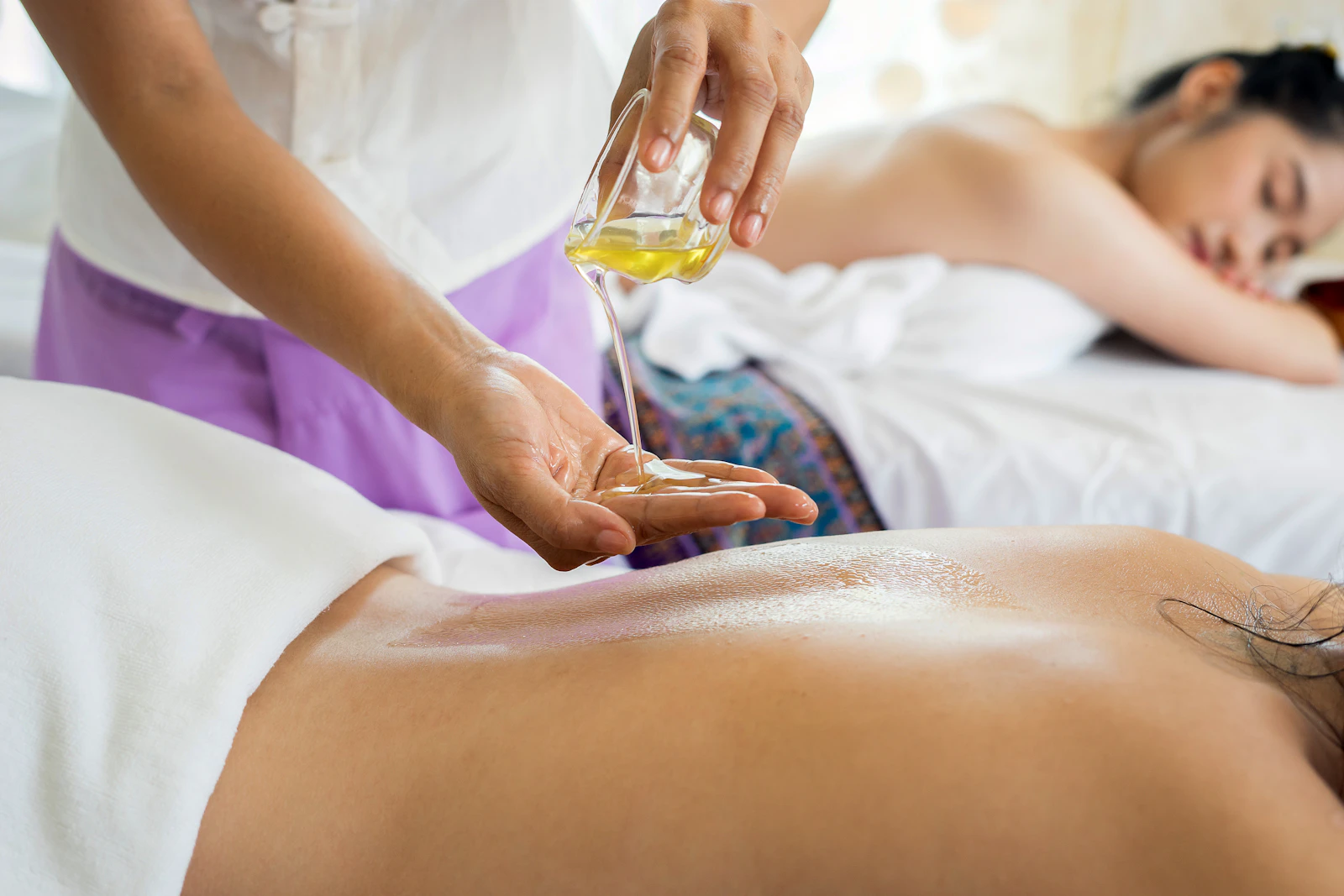
An authentic Ayurveda spa menu is short, built on a few traditional therapies done in a consistent sequence, delivered by properly trained therapists, and described in terms of relaxation and routine, never cure. Price by room-hour, not by the number of oils. In our illustrative example, a three-treatment package earns about ₹3,125 per room-hour.
Almost every hotel owner in India eventually asks for an Ayurveda spa, and for good reason: many guests, especially from overseas, expect to find it here. The risk is that a hotel adds a page of Sanskrit names, buys a few oils and hopes the word does the work. Guests notice quickly. An authentic Ayurveda spa menu is smaller, more disciplined and more honest than that. It rests on a few traditional therapies, done the same way every time by trained people, with oils you can name and a description that promises rest and not results. This article covers what guests expect, the core therapies to start with, who should do what, how to source oils, how to avoid medical claims and how to price the packages.
What do guests expect from an Ayurveda spa?
Start with what the guest expects. A guest booking an Ayurvedic treatment usually expects three things: warm oil, an unhurried pace and a sequence that feels learned, not improvised. They expect the therapist to know what they are doing and to explain it in a sentence or two. International guests often arrive with a clear picture from reading and from friends, and domestic guests increasingly want the same. Nobody expects a clinic. They expect a calm room, a faint smell of herbs, a treatment that follows a recognisable order and a lingering feeling of having been looked after. If your menu delivers that, you are already ahead of many properties that list Ayurveda but deliver a standard oil massage with a new name.
Which core therapies should the menu start with?
Choose a short list of core therapies and do them well. The usual foundation is a full-body warm oil massage, a head and scalp therapy, a foot treatment, a herbal poultice massage and a steam or warm wrap to finish. A longer signature ritual, such as a slow stream of warm oil over the forehead, can sit above these as the premium experience. Describe each by what the guest feels and how long it takes, for example a 60-minute warm oil massage, and not by what it is said to do. We would rather a hotel offer five therapies that every therapist can perform to the same standard than fifteen that depend on who is on shift. The menu design principle from our article on menu engineering applies here as well: one clear hero, a premium tier above it and a few supporting options.
Who does what: physician, therapist or both?
Be clear about who does what. Most hotel Ayurveda spas run on trained therapists performing set treatments. That is a relaxation and wellbeing offer, and it is perfectly legitimate. A consultation with an Ayurvedic physician is a different service, and it should only be offered if you employ or partner with a properly qualified practitioner and have checked the local and state rules that apply to them. Do not let a therapist improvise advice about a guest's body or health, and do not let the front desk describe a therapy as a cure for anything. Keep the roles separate on paper: the therapist performs the treatment as written, the physician, if you have one, handles consultation, and the manager is responsible for making sure neither steps into the other's job.
How should a hotel source Ayurvedic oils?
Sourcing oils and herbs deserves real attention, because it is where authenticity is easiest to fake and hardest to defend. Buy from a small number of reliable suppliers, keep the product names and batch details on file, and write the oil and quantity into each treatment protocol so that a therapist uses the same amount every time. Check storage, because oils held too warm or too long change smell and feel. Decide whether you want to sell the oils you use. Guests often ask to take them home, and retail is easier when the guest has just felt the product on their skin. Keep an eye on cost as well. If the oils for a 60-minute treatment cost an illustrative ₹400 and the treatment is priced at ₹4,500, product cost is about 9% of the price (₹400 divided by ₹4,500). That is manageable, but only if portions are controlled.
How do you avoid medical claims on the menu?
Avoiding medical claims is a matter of discipline in your wording, and it protects your hotel as well as the guest. Describe an Ayurvedic treatment by its method, duration and the sensation it gives: warm, slow, grounding, deeply relaxing. Do not write that it cures, treats, detoxifies a condition, balances a disease or improves any named illness. Apply the same rule to staff scripts, social media posts, packages and the website. Include a short consultation before each treatment that asks about pregnancy, injuries and allergies, and write the rule that a therapist who is unsure stops and calls the supervisor. Keep any health-related questions for qualified practitioners. If a sentence on your menu would sound odd coming from a hotel's marketing team and more natural from a doctor, remove it.
How do you price Ayurvedic packages? A worked example
Price Ayurvedic packages by room-hour, using an example with the arithmetic shown. Suppose a package has three treatments: a 60-minute warm oil massage at ₹4,500, a 45-minute head and scalp therapy at ₹3,000 and a 90-minute signature ritual at ₹7,000. The list value is ₹14,500, and you sell the package at ₹12,500, a discount of ₹2,000 or about 14%. The treatments take 195 minutes, and with 15 minutes to reset the room after each, the package uses 240 minutes, or 4 room-hours. That earns ₹3,125 per room-hour (₹12,500 divided by 4). The single 60-minute massage uses 75 minutes, or 1.25 room-hours, and earns ₹3,600 per room-hour (₹4,500 divided by 1.25). The package is a deliberate trade: you accept about ₹475 less per room-hour to fill a longer block and sell a guest three treatments instead of one. That is worth doing when the hours would otherwise be empty, and not when they would sell at full price.
How should the menu be laid out?
Lay the menu out so that guests can choose without effort. Put the hero treatment first and name it clearly, show two or three Ayurvedic packages of different lengths, such as a 2-hour, a half-day and a multi-day option, and keep the top-end ritual visible but not dominant. Use short descriptions of the experience, with the duration and the price next to each. Add one line on who performs the treatments and how they are trained. Properties we have menu-engineered see average spend per guest rise 18-26% within one quarter, and the gain comes from the same discipline of clarity, not from adding more items. A guest who understands the menu in a minute is far more likely to book a second treatment.
What should you do this month?
The practical takeaway for this month is to do four things. Cut your current Ayurvedic offer down to five to seven therapies that every therapist can perform to one written standard. Write the protocol for each, with duration, oils, quantities and sequence. Remove any word on the menu, the website and the staff script that sounds like a medical claim. Then price one package using the room-hour arithmetic above and check that the price per room-hour stays above your cost floor. Sansha Academy has trained 300+ wellness professionals, and the lesson at every property is that training to a written protocol is what turns a menu into an experience.
Frequently asked questions
How many treatments should an Ayurvedic menu have?
Fewer than most hotels think. A tight menu of a handful of core therapies, a few longer rituals and two or three packages is easier to train, deliver consistently and explain than a long list that no one can do well.
Does a hotel need an Ayurvedic physician on staff?
Only if it offers consultations. A relaxation menu can run with trained therapists, but anything that sounds like diagnosis or treatment of a condition should be left to a qualified practitioner, checked against local rules.
Are Ayurvedic packages cheaper to run than standard spa menus?
Not automatically. Oils and herbs add cost, and bundles lower the price per hour. In our illustrative example, oils are under 9% of a treatment price, but a package still earns less per room-hour than single treatments.
How can a hotel keep Ayurvedic treatments consistent across therapists?
Write each protocol with its duration, oils, quantities and sequence, train every therapist to it and audit it. Consistency is what guests read as authenticity, and it comes from the written protocol, not from individual memory.
Sangeeta Sharma founded Sansha Spas, India's first spa management company, in 1994 and is its Managing Director. Sansha designs, launches and operates spas for luxury and heritage hotels, with 80+ hotel partners across India. LinkedIn
Want this applied to your property?
Sansha Spas runs spa P&L, menu engineering and training for 80+ luxury hotels across India. Book a 30-minute working call with an operator.
Talk to an Expert